Welcome back
Your courses
Pick up where you left off. Track results in My Progress.
Module 1 — General Principles of Pharmacology
1st Module, 5 courses. Study these connected foundation courses in the order shown — each one builds on the one before. You can reopen any course or lesson at any time; your Quick Recall results and My Progress show which concepts to revisit.
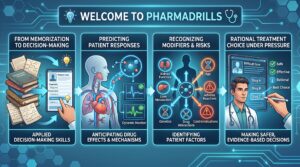
Introduction to Clinical Pharmacology
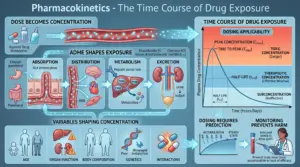
Pharmacokinetics
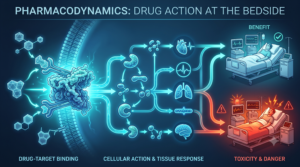
Pharmacodynamics
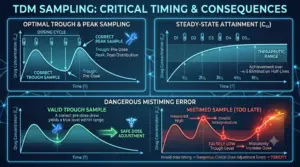
Pharmacogenomics & Therapeutic Drug Monitoring
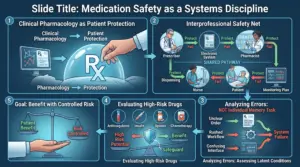
Medication Safety, Adverse Reactions & Pharmacovigilance
Additional courses
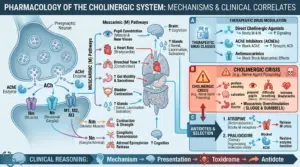
Autonomic Nervous System – Cholinergics
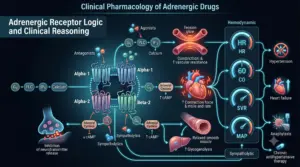
Adrenergic Drugs
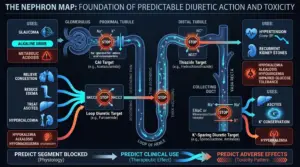
Diuretics
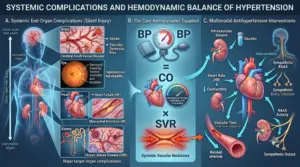
Hypertension
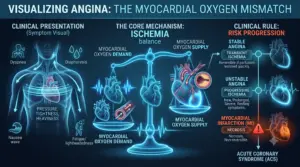
Angina
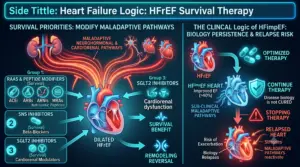
Heart Failure
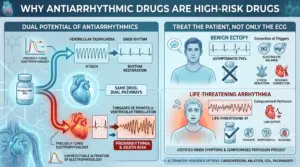
Arrhythmias
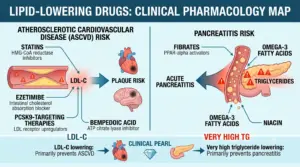
Antihyperlipidemic
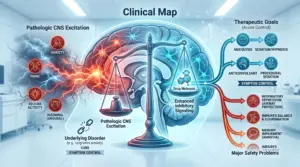
Anxiety & Sedatives
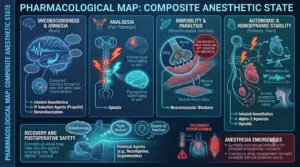
Anesthesia
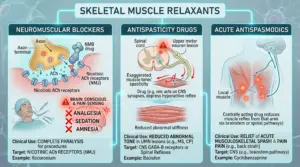
Neuromuscular Blockers
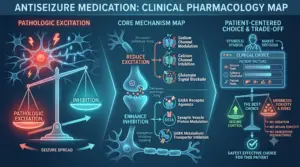
Anticonvulsants
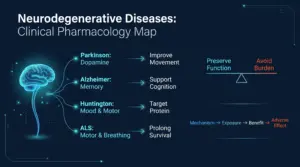
Neurodegenerative Diseases
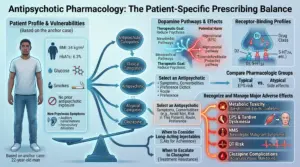
Antipsychotics
Antidepressants
Bipolar Disorder, ADHD & Substance Use Disorders
For pharmacy, medical & nursing students · NAPLEX · PEBC · USMLE · MCCQE
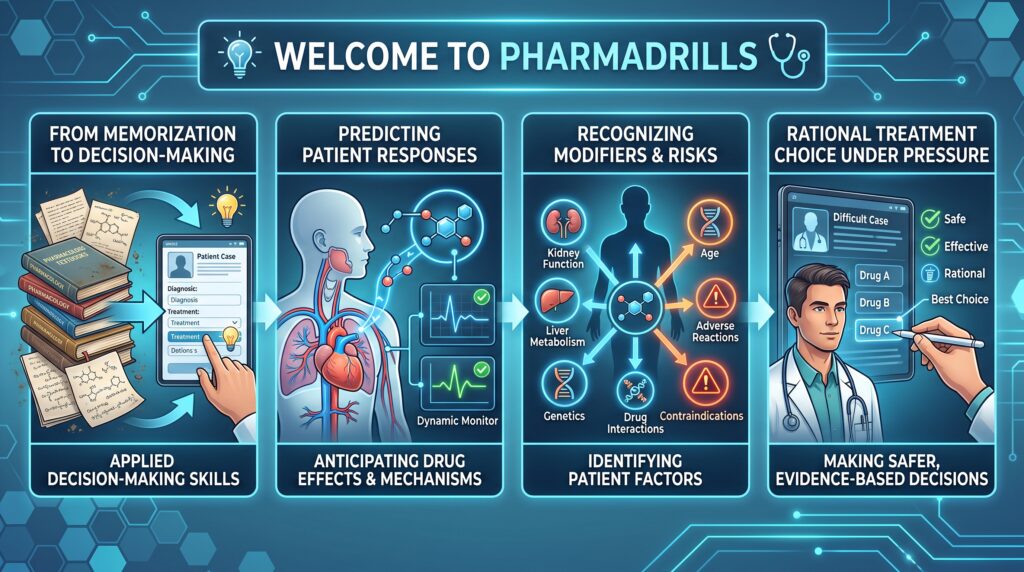
Don’t just study pharmacology. Train clinical decision‑making.
Short lessons, recall checks and case-based questions that turn pharmacology facts into safer medication decisions. Start with Module 1 — five foundation courses, free during launch.
- 5 courses · 180 lessons
- Free during launch
- No credit card






Made for future cliniciansFor pharmacy, medical and nursing students. Short sessions on any device, at your own pace.
Try a clinical reasoning question.
Review the answer rationale and follow-up study options.
- 80-year-old man
- CKD · CrCl 25 mL/min
- Pneumonia
Renal function and antibiotic dosing
An antibiotic eliminated mainly by the kidneys is being considered. Which value is most relevant when checking its renal dosing recommendations?
Pick an answer to see the feedback.
Interactive learning preview with scripted tutor responses. For education; not a patient-specific dosing recommendation.
- 5foundation courses
- 180focused lessons
- 30recall checks · 197 MCQs
- 225final-assessment MCQs
- $0during launch
How it works
Stop rereading notes. Practice the decision.
Every drill follows the same loop, so knowledge turns into reasoning you can use on exam day and on the ward.
Answer a clinical case
Commit to an answer on a short patient scenario — kidney function, interactions, drug levels, adverse effects.
See the reasoning
Review the rationale: why the correct answer is correct, and exactly where your thinking went off track.
Close the gap
Jump back to the lesson concept you missed, then practice again until the principle sticks.
Watch · Start here
Memorizing isn’t applying.
Knowing a drug’s half-life is not the same as adjusting its dose for an 80-year-old with a creatinine clearance of 25 mL/min. PharmaDrills trains that second step.
Built for pharmacy, medical and nursing students — and useful prep for NAPLEX, PEBC, USMLE and MCCQE.
See the full practice method →Studying vs. training
Connect the facts to the patient in front of you.
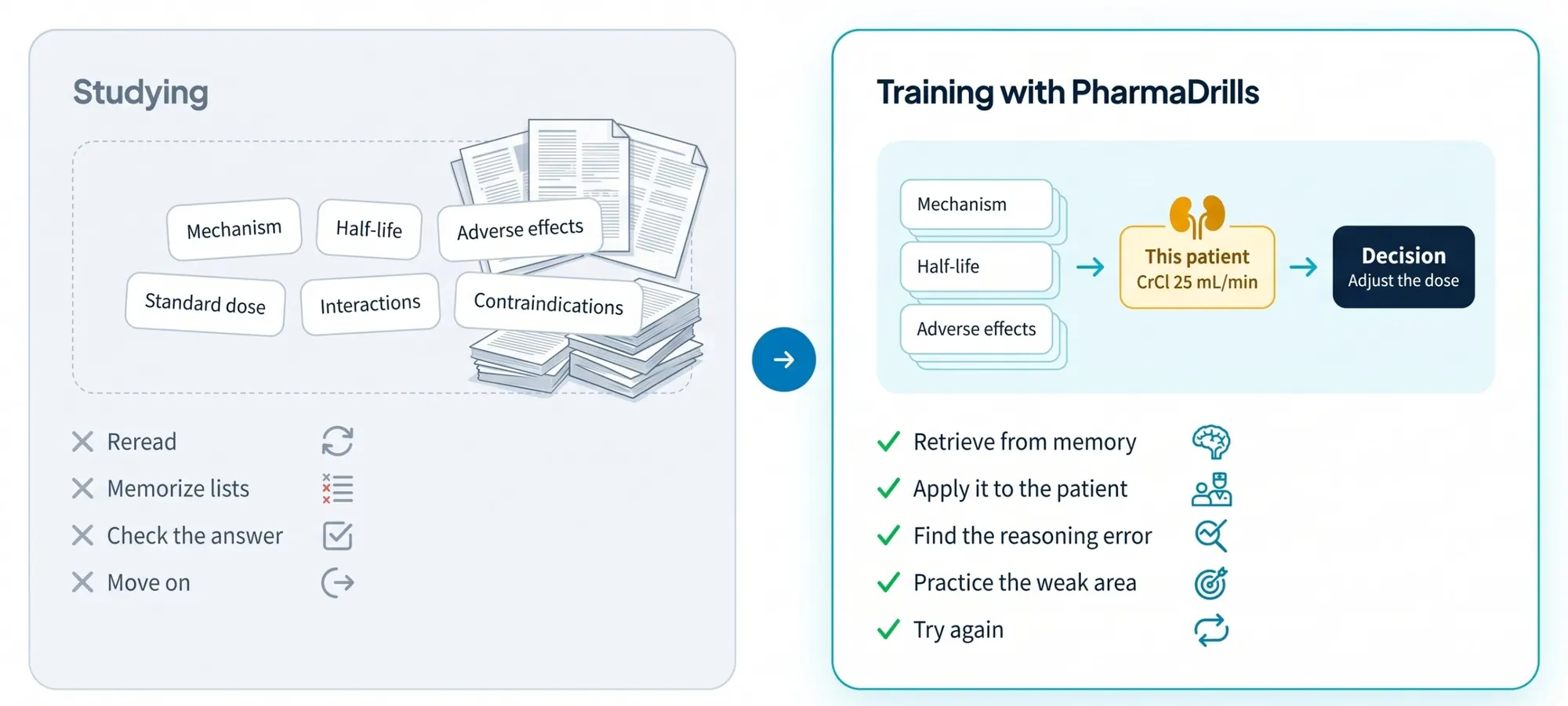
Illustrative example of the reasoning pattern — not dosing guidance. PharmaDrills complements your lectures, textbooks and instructors.
Module 1 · General Principles of Pharmacology · Free
Five connected courses. One free account.
Take them in order — each builds on the last. Module 1 is the foundation of a planned ten-module Clinical Pharmacology & Therapeutics curriculum.
Course 01 · Free
Introduction to Clinical Pharmacology
Connect mechanisms, patient factors, benefit and safety into one clinical reasoning framework.
17 lessons · 4 recall checks · 25 final MCQs
Course 02 · Free
Pharmacokinetics
Relate dose to drug exposure and practice patient-specific dosing decisions.
67 lessons · 11 recall checks · 60 final MCQs
Course 03 · Free
Pharmacodynamics
Link concentration and receptor action to benefit, harm and dose–response.
44 lessons · 5 recall checks · 60 final MCQs
Course 04 · Free
Pharmacogenomics & Therapeutic Drug Monitoring
Interpret genetic information and measured drug concentrations when evaluating individualized therapy.
24 lessons · 5 recall checks · 40 final MCQs
Course 05 · Free
Medication Safety, Adverse Reactions & Pharmacovigilance
Study strategies to recognize, prevent and report medication-related harm.
28 lessons · 5 recall checks · 40 final MCQs
- All five courses, one free account
One module — General Principles of Pharmacology — with five connected foundational courses built around the same practice system.
Free during launch · No credit card required
Start Module 1 Free
Sample lessons
See a lesson before you sign up.
Short, case-first explanations from across Module 1.

Your instructor
Your instructor
Dr. Reza AnariPharmD, MSc, PhDDeveloped by a pharmacologist with research and teaching experience.
Dr. Reza Anari, PharmD, MSc, PhD, developed PharmaDrills from a background in pharmacology, toxicology, drug development, research and education, including work with Pfizer and Merck.
The educational goal is to develop clinical reasoning through focused practice, explanatory feedback and review of pharmacological principles.
Meet your instructor →Questions
Before you start
Is it really free?
Yes. Module 1 is free during our launch and registration asks for no payment information.
What do I need to start?
An email address and a password. PharmaDrills runs in your browser on phone, tablet or computer — nothing to install.
Where should I begin?
With Introduction to Clinical Pharmacology. It introduces the reasoning framework used throughout Module 1. Then follow the order: Pharmacokinetics, Pharmacodynamics, Pharmacogenomics & TDM, and Medication Safety.
Does it replace my course or textbook?
No — it adds practice to your studies. Your curriculum, references, instructors and clinical supervision remain essential.
What comes after Module 1?
Modules 2–10 are planned for progressive release, applying these principles to specialized therapeutic topics. Paid plans aren’t open yet — Module 1 is free during launch.
Start Module 1 free today.
Five foundation courses · 180 lessons · 30 recall checks · 225 final-assessment MCQs · No credit card required.
Course Catalog
21 published LearnDash Courses
Module 1 — General Principles of Pharmacology
1st Module, 5 courses. Study these connected foundation courses in the order shown.
Introduction to Clinical Pharmacology
Module 1 — General Principles of Pharmacology · Course 1 of 5 Role in Module 1: connects drugs, patient factors, evidence, benefit and safety.…
View Course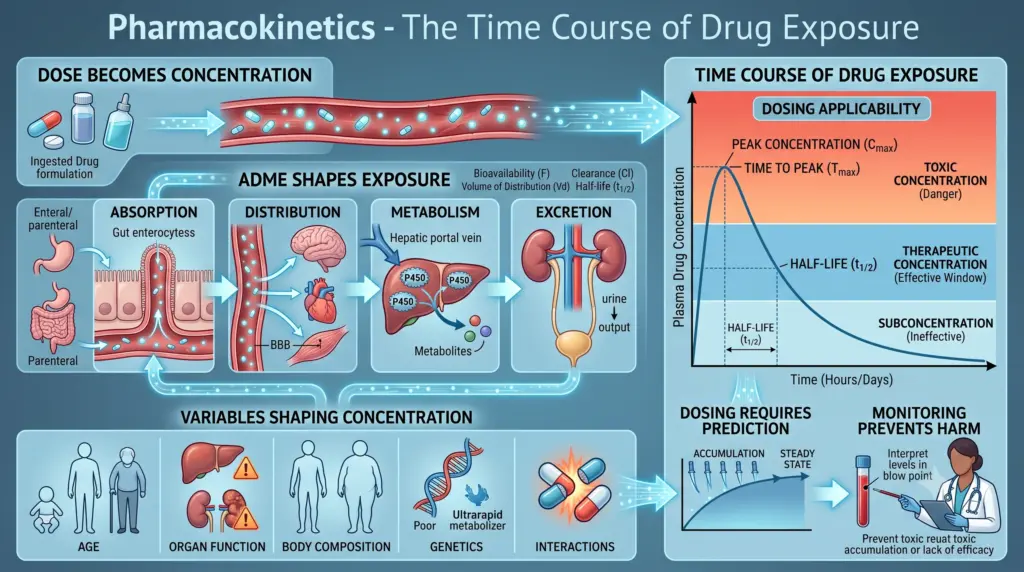
Pharmacokinetics
Module 1 — General Principles of Pharmacology · Course 2 of 5 Role in Module 1: connects dose with drug exposure over time. Recommended…
View Course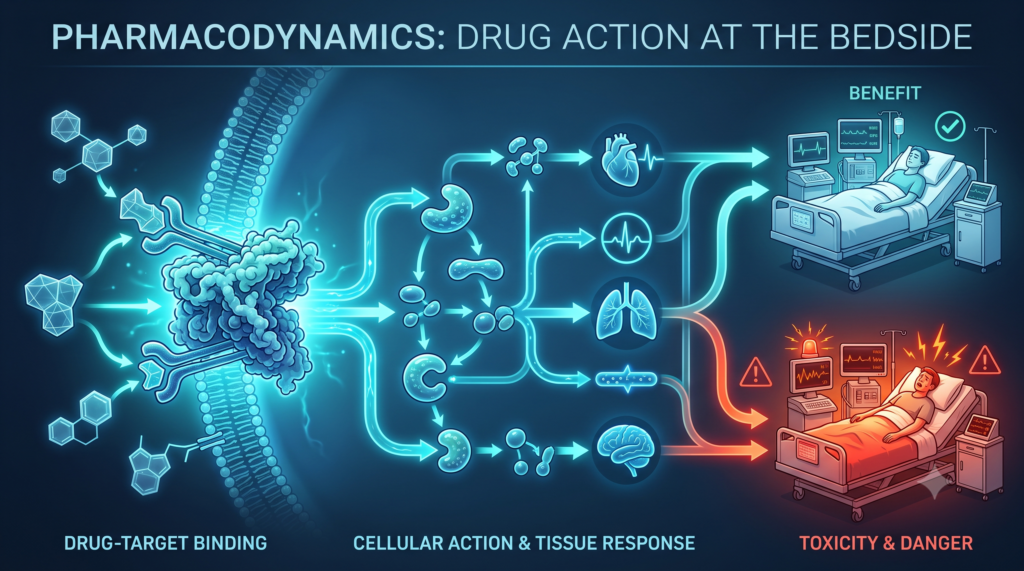
Pharmacodynamics
Module 1 — General Principles of Pharmacology · Course 3 of 5 Role in Module 1: connects exposure and drug–target interactions with effects and…
View Course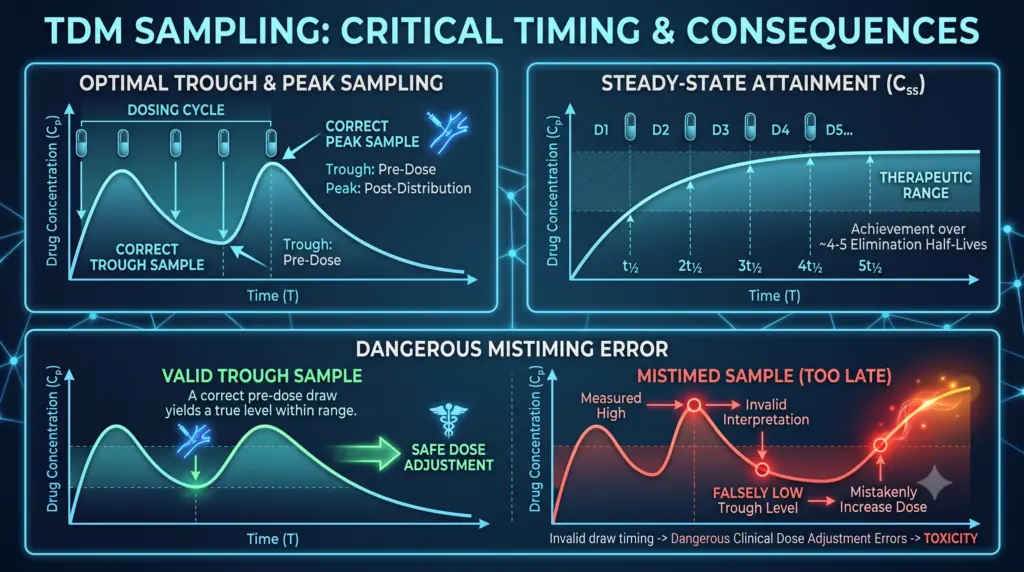
Pharmacogenomics & Therapeutic Drug Monitoring
Module 1 — General Principles of Pharmacology · Course 4 of 5 Role in Module 1: explores relevant variability and individual information, such as…
View Course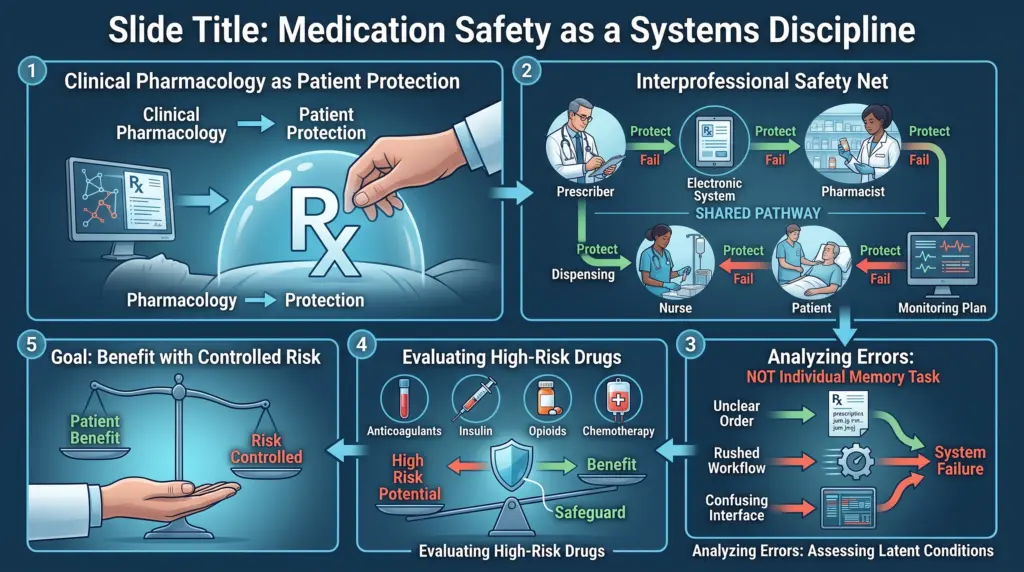
Medication Safety, Adverse Reactions & Pharmacovigilance
Module 1 — General Principles of Pharmacology · Course 5 of 5 Role in Module 1: recognizes, assesses, monitors and reports medication-related harm. Recommended…
View CourseAdditional courses
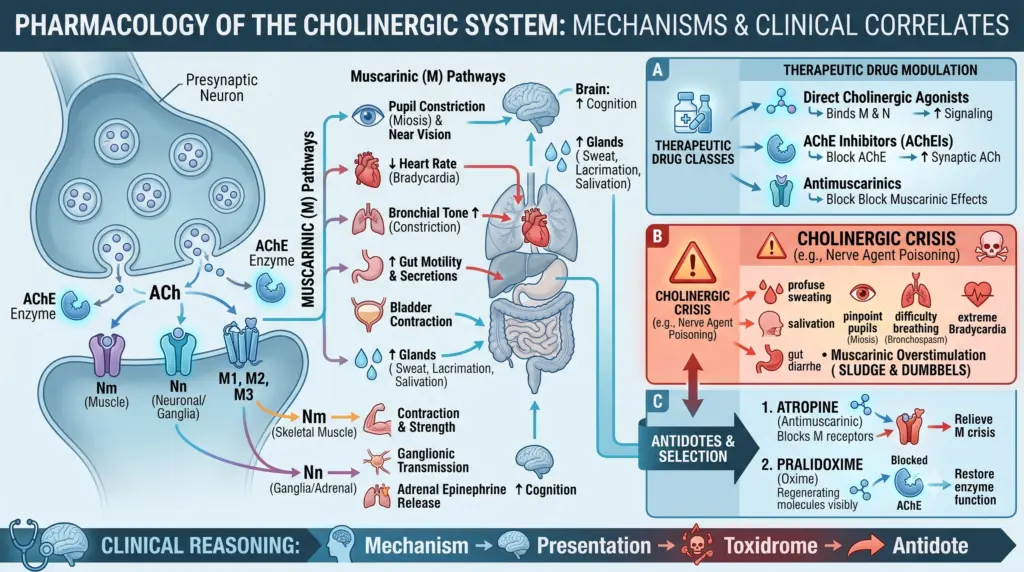
Autonomic Nervous System – Cholinergics
Explore the clinical pharmacology of cholinergic drugs, from receptor signaling and therapeutic uses to adverse effects, toxicity, and safe patient care.
View Course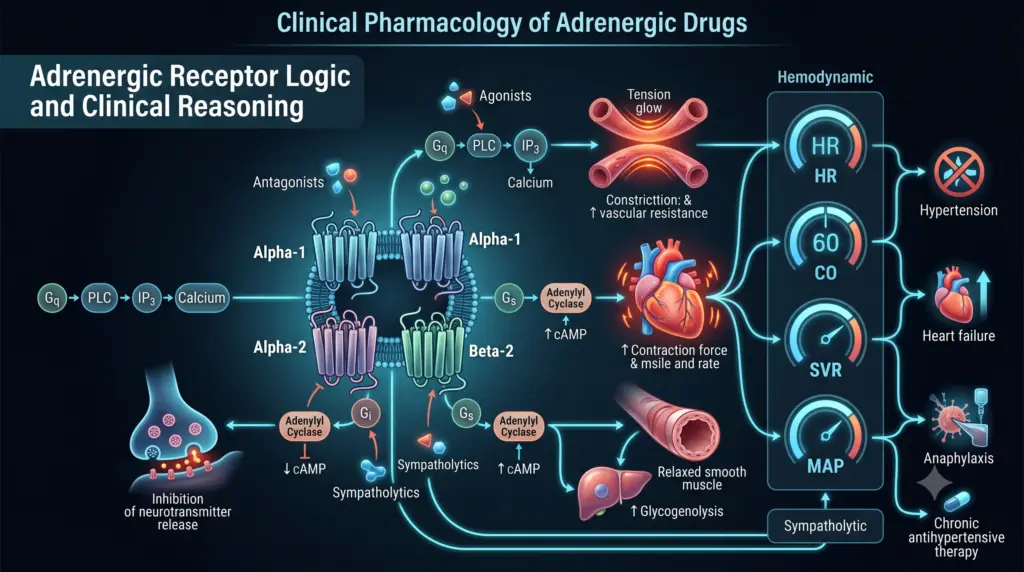
Adrenergic Drugs
Understand adrenergic receptors, signaling pathways, sympathomimetic and sympatholytic drugs, and their effects on hemodynamics, organ systems, and urgent clinical decisions.
View Course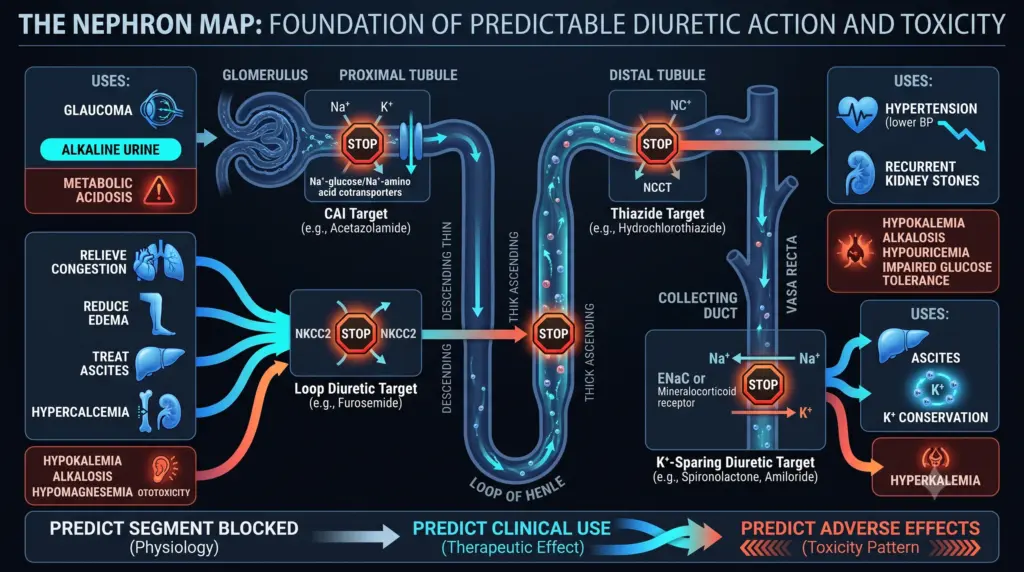
Diuretics
Understand how diuretics alter nephron transport, fluid and electrolyte balance, and how those mechanisms guide clinical selection, dosing, toxicity prevention, and monitoring.
View Course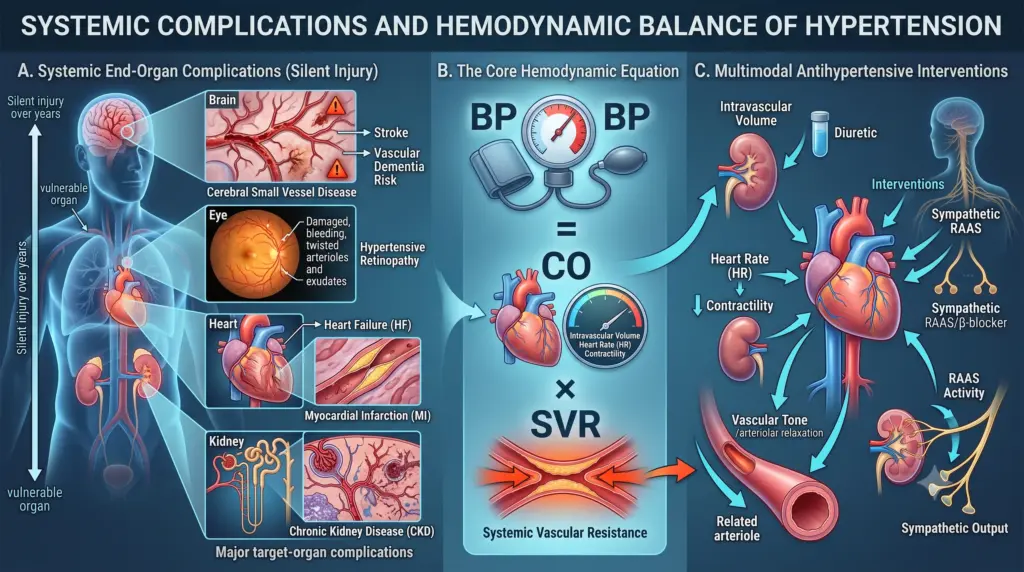
Hypertension
Understand how antihypertensive drugs act on renal, cardiac, vascular, and neurohormonal pathways, and how these mechanisms guide treatment selection, monitoring, toxicity prevention, and management…
View Course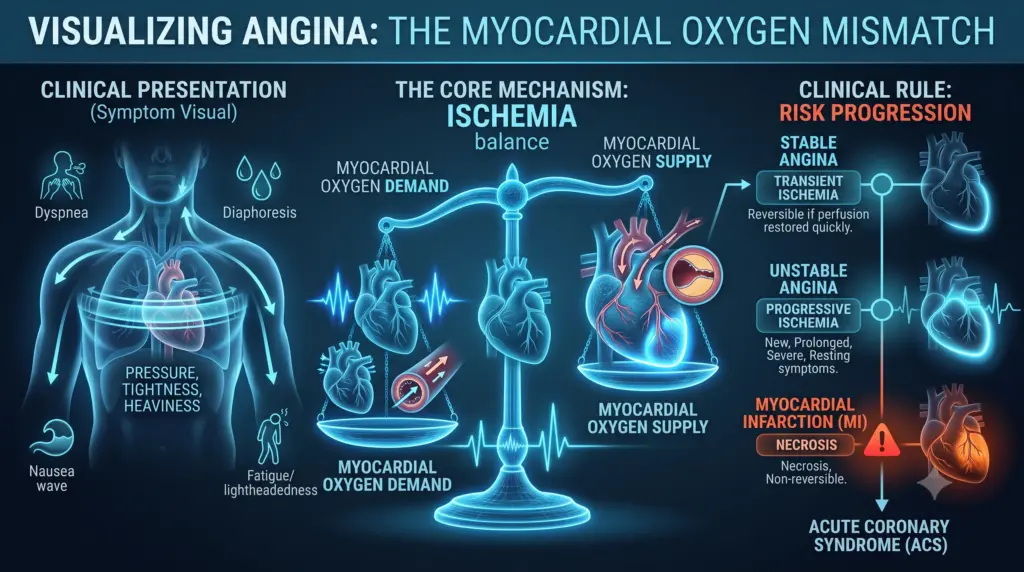
Angina
Connect myocardial oxygen supply and demand with antianginal drug mechanisms, clinical selection, adverse effects, interactions, and treatment strategies for different angina syndromes.
View Course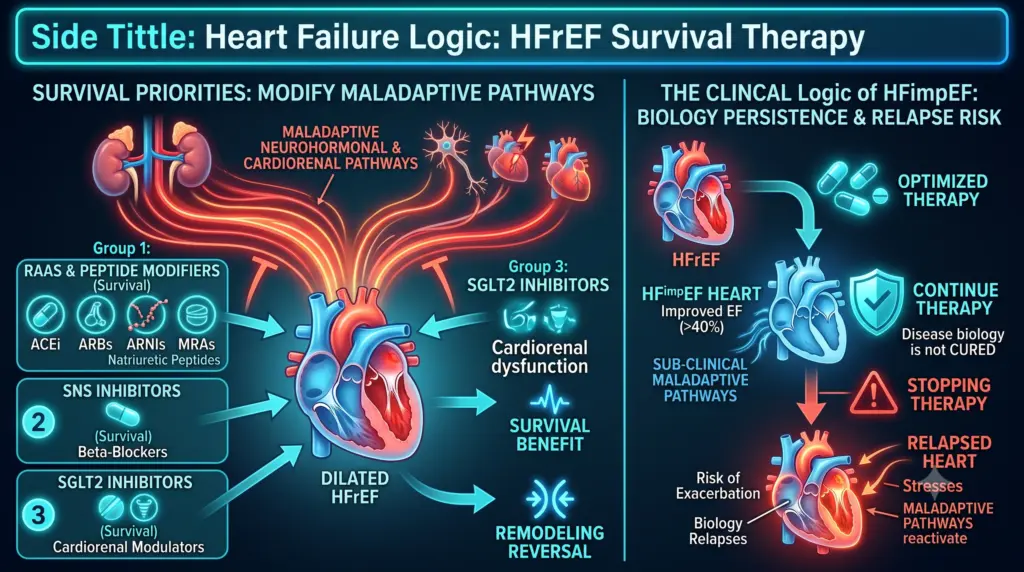
Heart Failure
Connect heart failure phenotypes and hemodynamics with disease-modifying therapies, decongestion, acute stabilization, and safe prescribing and monitoring.
View Course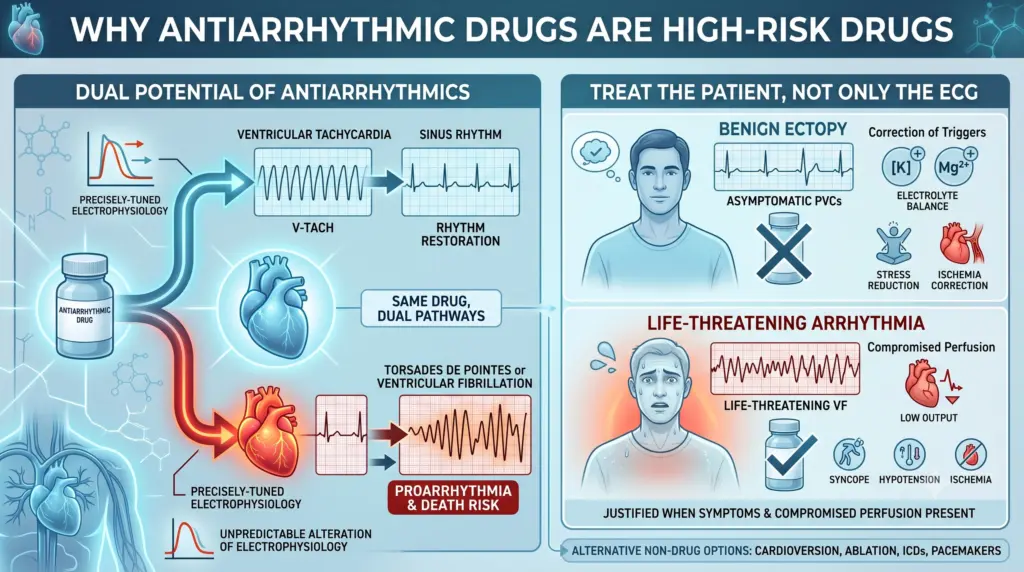
Arrhythmias
Connect cardiac electrophysiology and rhythm assessment with antiarrhythmic drug mechanisms, clinical selection, monitoring, and prevention of proarrhythmic harm.
View Course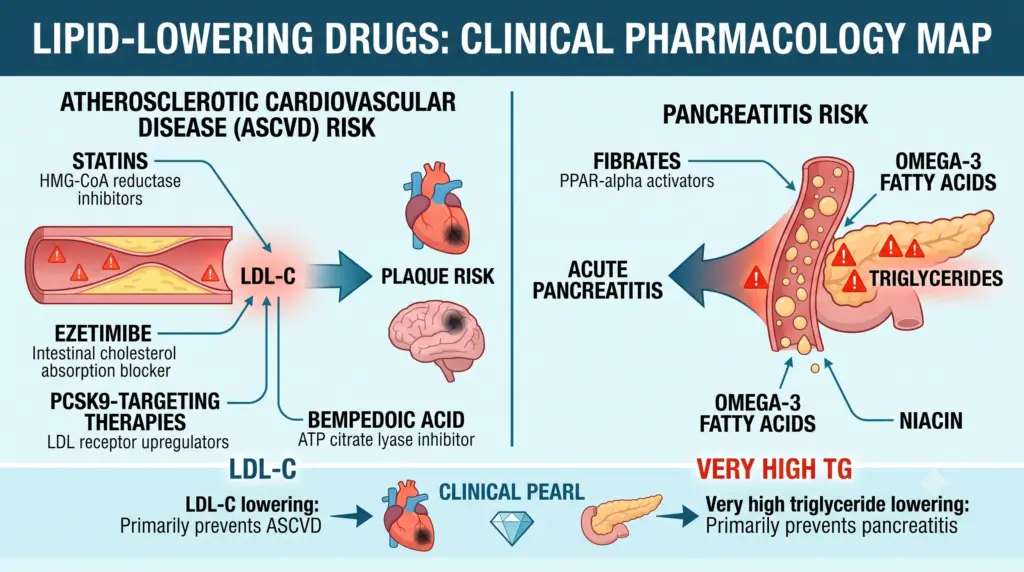
Antihyperlipidemic
Connect lipid metabolism and cardiovascular risk with lipid-lowering drug mechanisms, treatment selection, monitoring, and medication safety.
View Course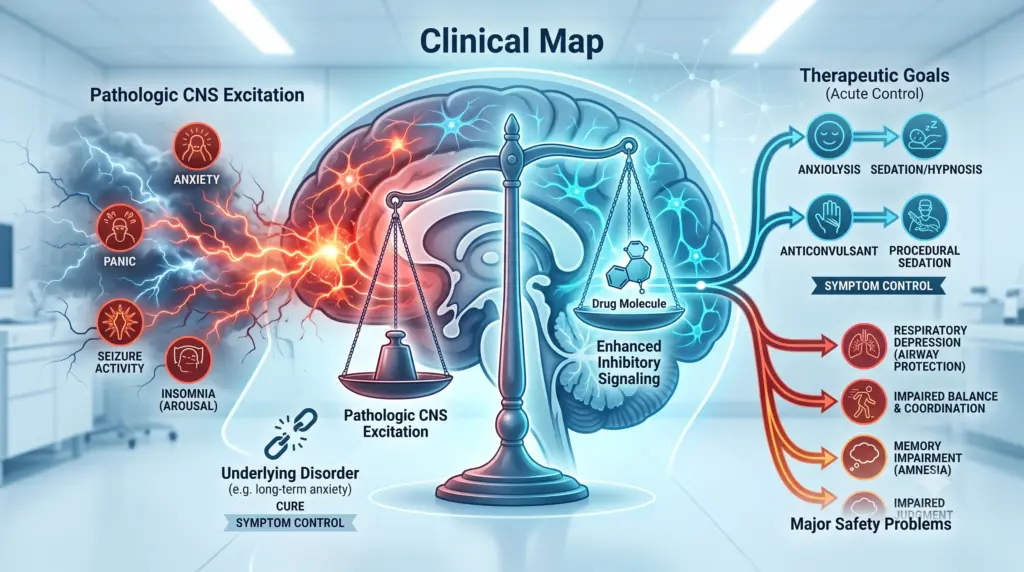
Anxiety & Sedatives
Connect anxiety and sleep pathways with anxiolytic and sedative drug mechanisms, clinical selection, monitoring, dependence, withdrawal, and medication safety.
View Course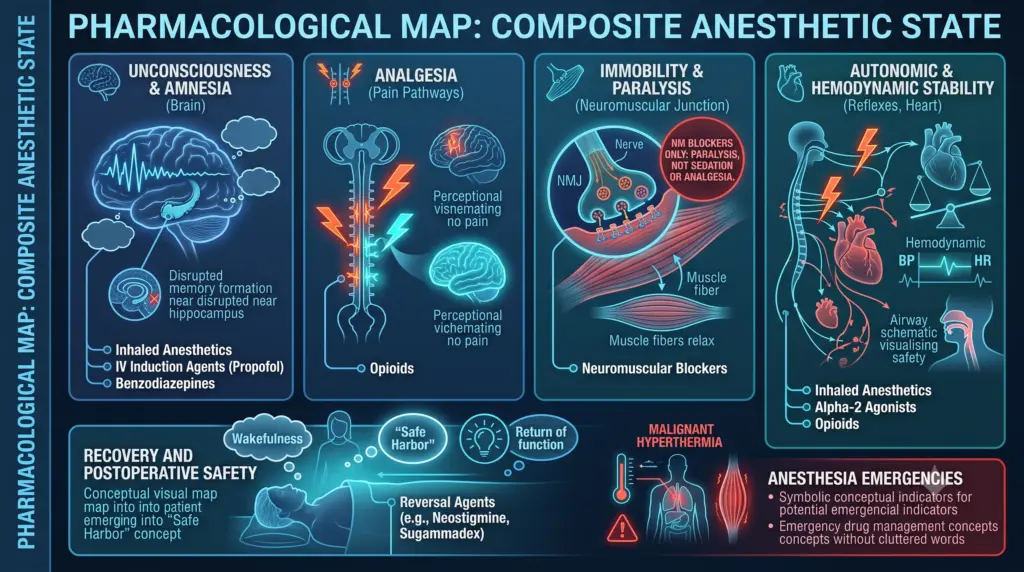
Anesthesia
Connect anesthetic drug mechanisms and pharmacokinetics with balanced anesthesia, clinical selection, monitoring, adverse effects, and safe patient care.
View Course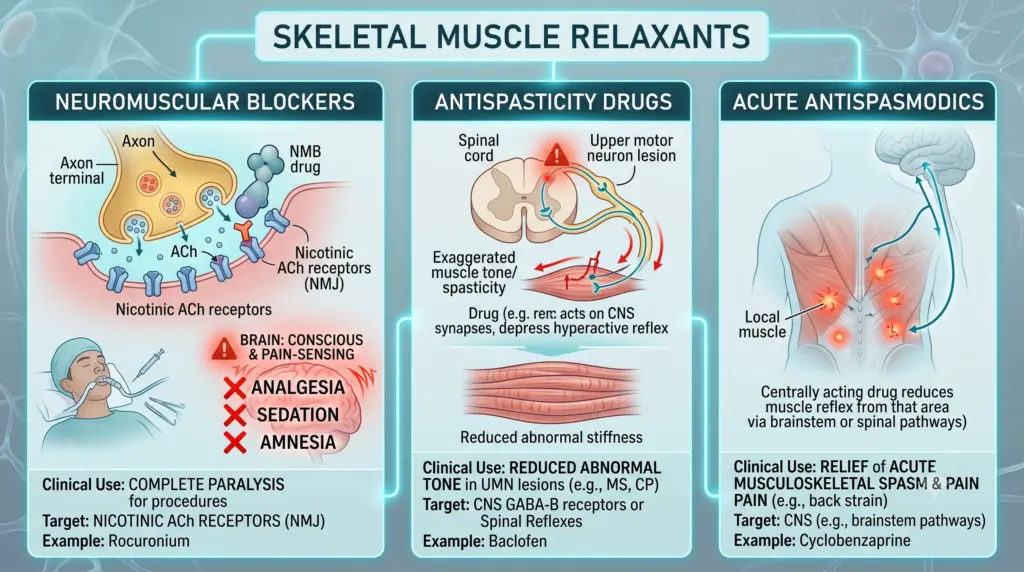
Neuromuscular Blockers
Connect neuromuscular transmission and muscle-relaxant mechanisms with drug selection, monitoring, reversal, and safe management of paralysis, spasticity, and acute muscle spasm.
View Course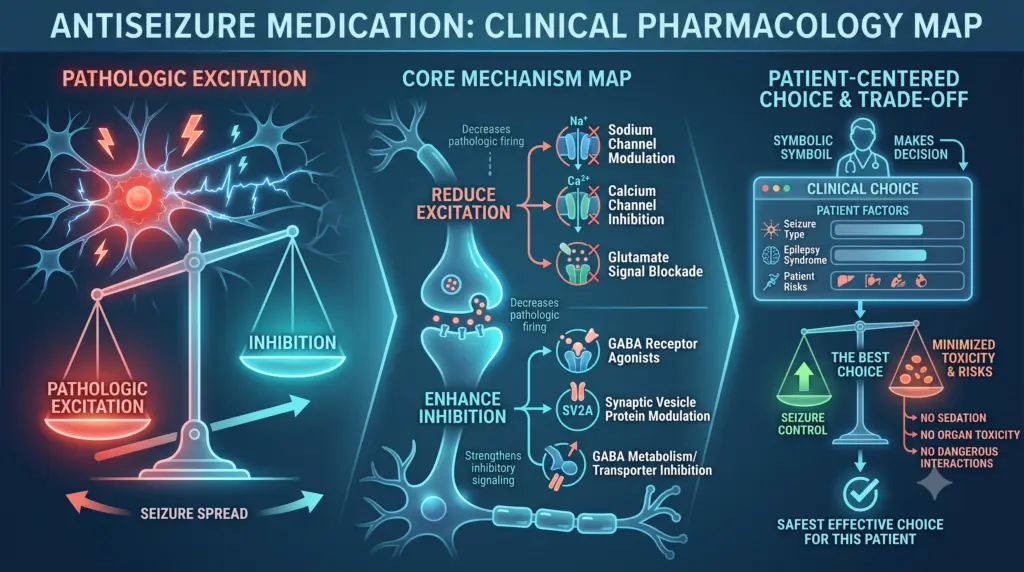
Anticonvulsants
Build a clinical pharmacology map of antiseizure medications, seizure classification, mechanisms, indications, adverse effects, monitoring, and patient-specific drug selection.
View Course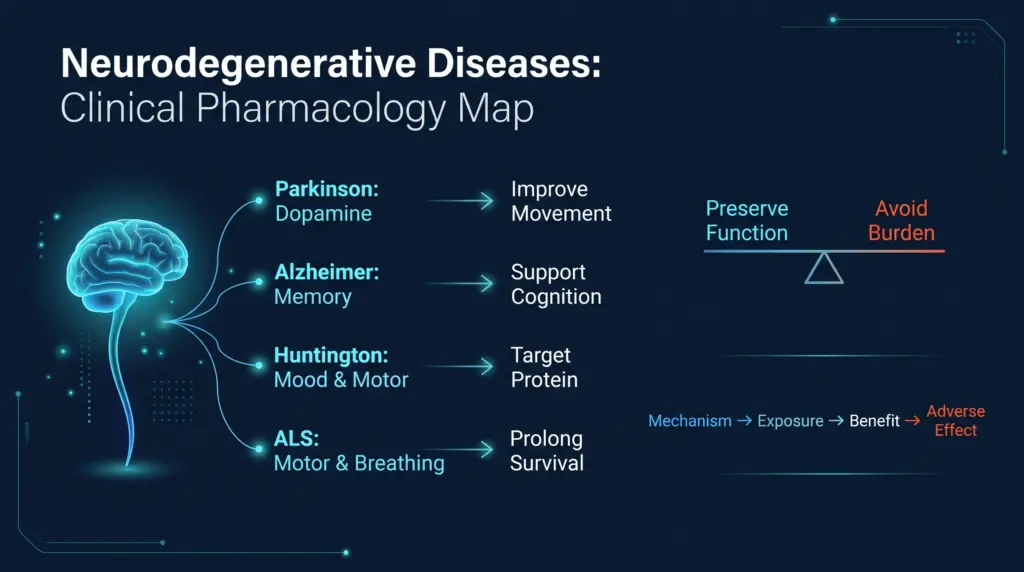
Neurodegenerative Diseases
Build a clinical pharmacology map of Parkinson disease, Alzheimer disease, Huntington disease, amyotrophic lateral sclerosis, and the drug mechanisms, safety issues, and patient-selection principles…
View Course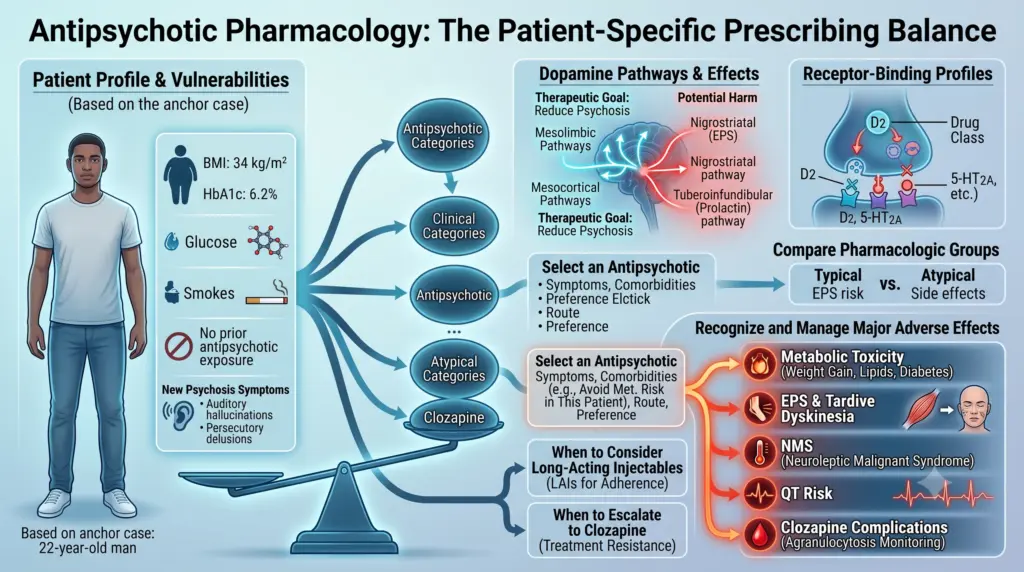
Antipsychotics
Master antipsychotic pharmacology from dopamine pathways and receptor profiles through individualized prescribing, adverse-effect recognition, clozapine safety, long-acting injectables, and stepwise treatment decisions.
View Course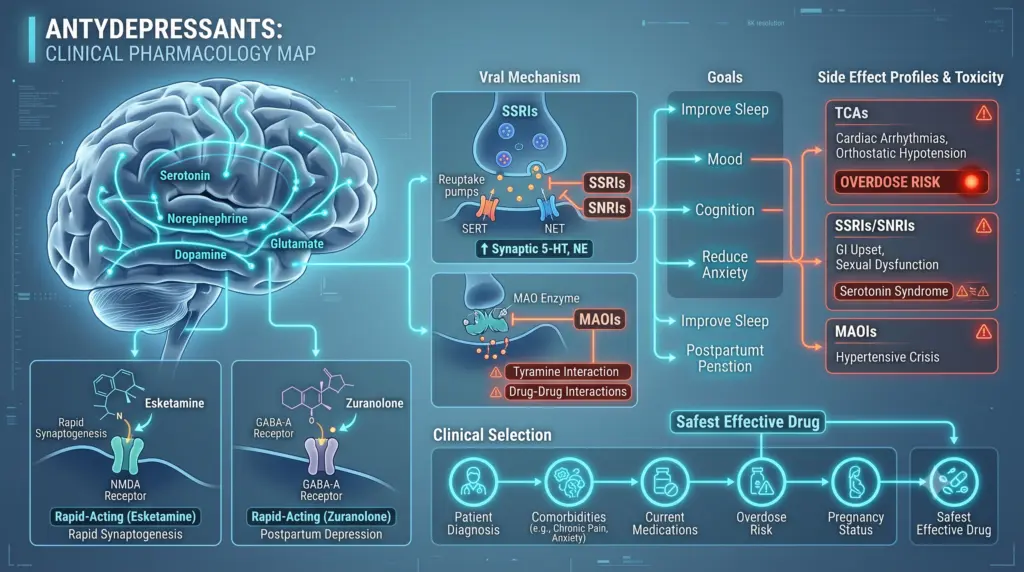
Antidepressants
Build a practical clinical pharmacology map of antidepressant mechanisms, indications, onset expectations, safety triage, adverse effects, interactions, overdose toxicity, special populations, and patient-specific treatment…
View Course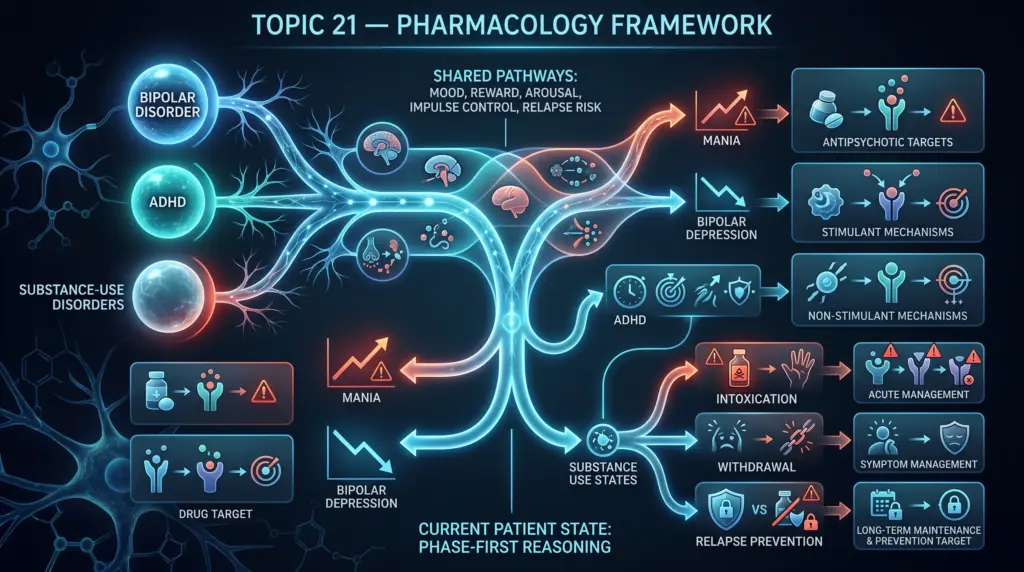
Bipolar Disorder, ADHD & Substance Use Disorders
Apply phase-specific pharmacology to bipolar disorder, ADHD, and substance-use disorders by linking mechanisms, prototype drugs, adverse effects, and clinical decisions to the patient’s current…
View Course